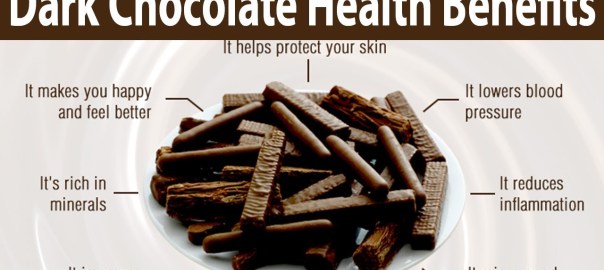
Is Dark Chocolate Healthy For You

Dark chocolate is loaded with nutrients that can positively affect your health.Made from the seed of the cocoa tree, it is one of the best sources of antioxidants on the planet.Studies show that dark chocolate (not the sugary crap) can improve your health and lower the risk of heart disease.This article reviews 7 health benefits of dark chocolate or cocoa that are supported by science.

1. Very Nutritious-If you buy quality dark chocolate with a high cocoa content, then it is actually quite nutritious.

It contains a decent amount of soluble fibre and is loaded with minerals.

A 100-gram bar of dark chocolate with 70–85% cocoa contains (1):

11 grams of fibre

67% of the RDI for iron

58% of the RDI for magnesium

89% of the RDI for copper

98% of the RDI for manganese

It also has plenty of potassium, phosphorus, zinc and selenium

Of course, 100 grams (3.5 ounces) is a fairly large amount and not something you should be consuming daily. All these nutrients also come with 600 calories and moderate amounts of sugar. For this reason, dark chocolate is best consumed in moderation. The fatty acid profile of cocoa and dark chocolate is also excellent. The fats are mostly saturated and monounsaturated, with small amounts of polyunsaturated fat. It also contains stimulants like caffeine and theobromine, but is unlikely to keep you awake at night as the amount of caffeine is very small compared to coffee.

2. Powerful Source of Antioxidants-ORAC stands for “oxygen radical absorbance capacity.” It is a measure of the antioxidant activity of foods. Basically, researchers set a bunch of free radicals (bad) against a sample of a food and see how well the antioxidants in the food can “disarm” the radicals. The biological relevance of ORAC values is questioned, because it’s measured in a test tube and may not have the same effect in the body. However, it is worth mentioning that raw, unprocessed cocoa beans are among the highest-scoring foods that have been tested. Dark chocolate is loaded with organic compounds that are biologically active and function as antioxidants. These include polyphenols, flavanols and catechins, among others. One study showed that cocoa and dark chocolate had more antioxidant activity, polyphenols and flavanols than any other fruits tested, which included blueberries and acai berries (2).

3. May Improve Blood Flow and Lower Blood Pressure-The flavanols in dark chocolate can stimulate the endothelium, the lining of arteries, to produce nitric oxide (NO) (3Trusted Source). One of the functions of NO is to send signals to the arteries to relax, which lowers the resistance to blood flow and therefore reduces blood pressure. Many controlled studies show that cocoa and dark chocolate can improve blood flow and lower blood pressure, though the effects are usually mild (4Trusted Source, 5Trusted Source, 6Trusted Source, 7Trusted Source). However, one study in people with high blood pressure showed no effect, so take all this with a grain of salt (8Trusted Source).

4. Raises HDL and Protects LDL From Oxidation-Consuming dark chocolate can improve several important risk factors for heart disease. In a controlled study, cocoa powder was found to significantly decrease oxidized LDL cholesterol in men. It also increased HDL and lowered total LDL for those with high cholesterol (9Trusted Source). Oxidized LDL means that the LDL (“bad” cholesterol) has reacted with free radicals. This makes the LDL particle itself reactive and capable of damaging other tissues, such as the lining of the arteries in your heart. It makes perfect sense that cocoa lowers oxidized LDL. It contains an abundance of powerful antioxidants that do make it into the bloodstream and protect lipoproteins against oxidative damage (10Trusted Source, 11Trusted Source, 12Trusted Source). Dark chocolate can also reduce insulin resistance, which is another common risk factor for many diseases like heart disease and diabetes (13Trusted Source, 14Trusted Source).

5. May Reduce Heart Disease Risk-The compounds in dark chocolate appear to be highly protective against the oxidation of LDL. In the long term, this should cause much less cholesterol to lodge in the arteries, resulting in a lower risk of heart disease In fact, several long-term observational studies show a fairly drastic improvement. In a study of 470 elderly men, cocoa was found to reduce the risk of death from heart disease by a whopping 50% over a 15 year period (15Trusted Source). Another study revealed that eating chocolate two or more times per week lowered the risk of having calcified plaque in the arteries by 32%. Eating chocolate less frequently had no effect (16Trusted Source) Yet another study showed that eating dark chocolate more than 5 times per week lowered the risk of heart disease by 57% (17Trusted Source). Of course, these three studies are observational studies, so can’t prove that it was the chocolate that reduced the risk. However, since the biological process is known (lower blood pressure and oxidized LDL), it is plausible that regularly eating dark chocolate may reduce the risk of heart disease.

6. May Protect Your Skin From the Sun-The bioactive compounds in dark chocolate may also be great for your skin. The flavonols can protect against sun damage, improve blood flow to the skin and increase skin density and hydration (18Trusted Source). The minimal erythemal dose (MED) is the minimum amount of UVB rays required to cause redness in the skin 24 hours after exposure. In one study of 30 people, the MED more than doubled after consuming dark chocolate high in flavanols for 12 weeks (19Trusted Source). If you’re planning a beach vacation, consider loading up on dark chocolate in the prior weeks and months.

7. Could Improve Brain Function-The good news isn’t over yet. Dark chocolate may also improve the function of your brain. One study of healthy volunteers showed that eating high-flavanol cocoa for five days improved blood flow to the brain (20Trusted Source). Cocoa may also significantly improve cognitive function in elderly people with mental impairment. It may improve verbal fluency and several risk factors for disease, as well (21Trusted Source).  Additionally, cocoa contains stimulant substances like caffeine and theobromine, which may be a key reason why it can improve brain function in the short term (22Trusted Source).
Benefits of yoga

Benefits of yoga in the morning

There are many benefits of yoga in the morning. I must admit, I’m not a morning person, let alone an early morning one. If I don’t have a particularly appealing reason for getting up earlier than necessary, I really won’t. So don’t ask me to go for a jog, it’s just too hard for me.

Early Morning Yoga Regulates Your Sleep Rhythm & Balance Your Hormones. Once you make practicing yoga in the morning a habit, your body becomes accustomed to getting up at the same time each day. This means you will awake feeling more energized and alert. While practicing yoga, the attention to breathing, meditation, and Asana has a positive effect on the endocrine system, which is responsible for long-term body maintenance. The endocrine system uses glands and hormones, to help keep you balanced. Certain yoga poses stimulate the pineal gland which excretes the melatonin hormone that regulates sleep patterns. As you regulate your circadian sleep cycles, the feeling of confusion upon awakening from sleep (due to widely changing sleep times) starts to disappear.
Early Morning Yoga Helps to Build a Healthy, Consistent Routine-Studies have shown that 90% of those who exercise regularly, as in more than three times a week, are morning practitioners.  Having an established morning routine, encourages you to stick with it. Most of us live busy lives, and our time is valuable. It is understandably tough to fit in a yoga class during your busy day, and by the evening, things may come up that prevent you from practicing, or you’re just feeling too tired.  Doing your practice first thing in the morning provides outstanding relief. Just imagine having your yoga practice and your exercise completely done with before 8 am! The feeling of self-empowerment that comes from being disciplined in your routine, brings increased mental strength into other areas of your life as well. Early morning yoga can help to build a healthy, consistent routine to your yoga practice.
Early morning yoga may boost your metabolism-Practicing yoga early in the morning will warm up your digestive system and help nutrients move more easily through the body, causing it to metabolize carbs and fats more quickly. We know how amazing twists can be for wringing out the digestive system and invigorating our vital organs. Practicing these Asanas first thing in the morning, can awaken our bellies, easing any morning aches and pains. 
Early Morning Yoga is a Great Caffeine Alternative-The specific type of breathing done during your early morning yoga practice, stimulates your entire body and mind.  All of that fresh oxygen helps wake up the brain, and it can feel like a jolt of caffeine; yet unlike coffee or tea, the energy boost you feel from deep pranayama breathing lasts all day long!  Early morning yoga helps you to feel more energized, yet grounded at the same time, thus helping you to accomplish more and be more productive during the day. Even on the days when I feel a little tired or less energy upon waking up, that certainly always changes after my hour long morning yoga practice.  You start to feel alive, with clarity and purpose, and you go about your day with absolutely no caffeine required! One of the best benefits of yoga in the morning is you don’t have to take caffeine.
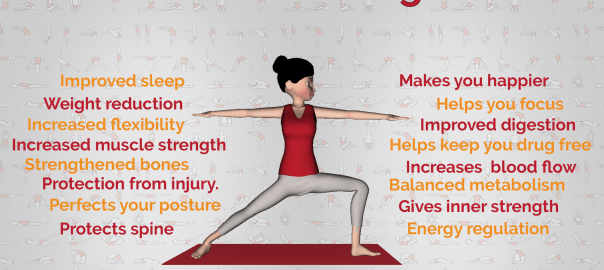
Morning stretching prevents injury and achiness throughout the day-Yoga lengthens and stretches our tight bodies, preparing us for all movement throughout the day. For those of us that sit at a desk, yoga poses in the morning counter those hours we spend sedentary. Yoga increases spinal flexibility and encourages better posture. The poses we hold when we first wake up, will set our muscle memory into effect for standing taller and walking easier as the day progresses. Other physical benefits of yoga include: increased flexibility. increased muscle strength and tone. improved respiration, energy and vitality. maintaining a balanced metabolism. weight reduction. cardio and circulatory health.

Effects of alcohol on your body

10 Immediate Effects of Alcohol on Your Health

Although a glass of wine every now and then can be good for you, alcohol in excess is very harmful. Learn about how it affects your body in this article. Some people may have the ability to control their urge to drink. However, others end up becoming addicted and start to depend on the effects it gives them. The most worrisome thing is that there are strong economic and social interests that prevent alcohol from being appropriately regulated.

So, here are the causes and effects of alcohol on your health-
1. The effects of alcohol: uncontrolled blood sugar spikes-
Someone checking their blood. Right after you consume an alcoholic beverage, your blood sugar levels either drop or rise considerably. This reaction can lead to us feeling weak, or even dizzy or disorientated.
2. Irregularities in your heart rhythm-Excessive consumption of alcohol can speed up your pulse and cardiac activity. The toxins in alcohol don’t take long to travel through your bloodstream, and so they quickly affect the different systems of your body and heart.
3. Redness of the skin Woman with itchy skin-Another of the effects of alcohol on your circulatory system is an increase in dilatation and visible redness of the skin. In fact, some people have very obvious changes in their body temperature or begin to sweat.
4. Blurred vision-Problems with clear vision are among the most common effects experienced by those who don’t moderate their consumption of alcohol. Toxins that travel through the blood reduce your vision and cause it to become blurry. This reaction is very dangerous, not just because it can negatively impact your vision in the long term, but because it causes an increase in the number of accidents. Alcohol has so many bad effects on your health so please don’t consume alcohol. You can not even stand properly.
5. Lack of coordinationAnother frustrating effect of alcohol on your health is lack of coordination. A person who drinks too much alcohol finds it hard to keep their coordination under control. Their body is not only weak; they lose their balance and their reflexes too. Because of this, a drunk person risks falling or getting into a serious accident. It should also be noted that alcohol also affects inhibitions, and the capacity for self-control.
6. Digestive problems-Alcohol alters the natural pH of the stomach and, as a result, this can lead to irritation and inflammation of the lining that protects it from acidic gastric juices. This can cause the development of problems like gastritis and acid reflux. In the long term, it can also lead to more serious complications, such as duodenal ulcers, stomach cancer, or cancer of the oesophagus.
7. Dehydration-Your kidneys are the organ that suffer the most from excessive intake of alcoholic beverages. Because they become overworked trying to eliminate all those toxins through your urine, you also lose liquids and mineral salts that are essential for hydration.
8. Headaches-High levels of toxins and the difficulty your metabolism has at working fast enough to process the alcohol are the two reasons you have headaches after a night of drinking. That’s why it’s common for you to experience an increase in muscular tension and strong pains, like a migraine, hours after ingesting alcohol.
9. Vomiting-Girl being sick in the toilet. Nausea and vomiting are common after having too many drinks or when a certain drink is too strong. This reaction is accompanied by severe digestive discomfort, as well as dizziness and difficulty maintaining balance. Some people aren’t even able to tolerate moderate amounts of alcohol, and, as a result, they experience this symptom immediately.
10. Liver problems-Your liver is the main organ responsible for metabolizing the substances in alcohol. Because of this, excessive consumption affects it directly and can cause serious problems with its function. If your level of intoxication is regular and uncontrolled, the liver becomes more fibrous and you develop what is known as cirrhosis of the liver. As you’ve seen, under no circumstances should you drink too much alcohol. While it can be consumed occasionally, it’s best to learn to control how much you drink.

Say no to alcohol